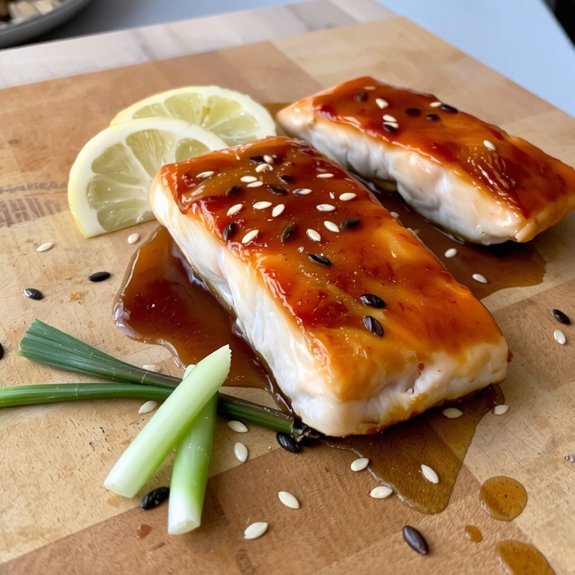

You’ll sear 4 salmon fillets (6 oz each), skin-on, 1/2″ thick, over medium-high heat 3–4 min per side, then broil 2 min to crisp. Whisk 3 tbsp honey, 2 tbsp low-sodium soy, 2 minced garlic cloves, 1 tsp lemon juice. Use 1 tbsp oil, 1/2 tsp salt, 1/4 tsp pepper. Precise timing and glazing yield controlled caramelization—the final step determines texture.
Why This Recipe Works
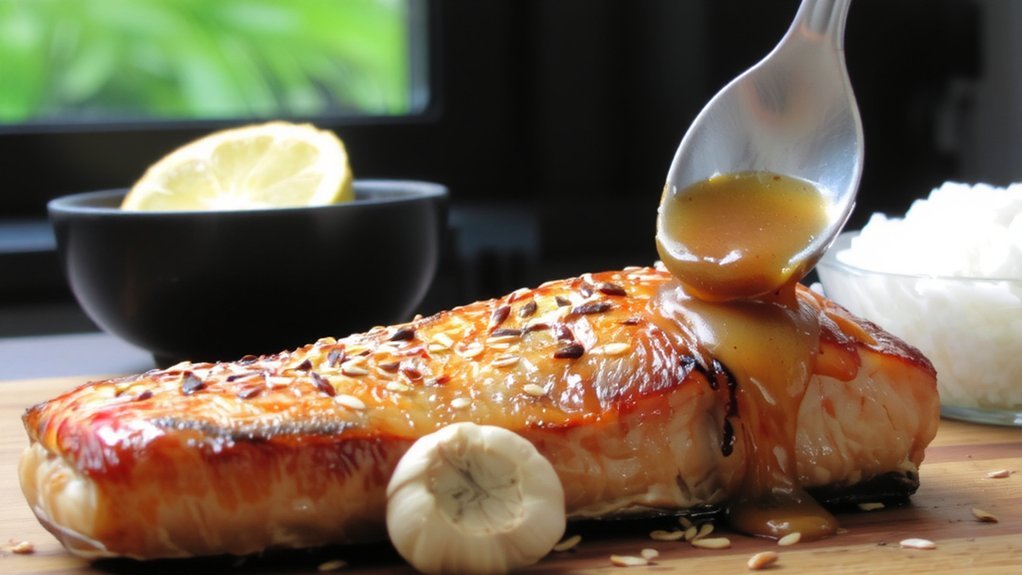
Because the glaze balances complementary taste drivers, it enhances salmon without masking it: combine honey, soy sauce, and lemon at roughly a 2:1:0.5 ratio with a pinch (1/8 tsp) of red pepper flakes and 1 clove minced garlic for a sweet-salty-tangy-spicy profile that caramelizes to a glossy glaze. For best balance and to avoid excess salt, use low-sodium soy sauce.
You’ll preheat a skillet until oil shimmers but doesn’t smoke, sear skin-side up first to control crispness, then cook on medium to medium-high heat, flipping once for even doneness.
Add glaze in final two minutes to reduce and thicken without burning. Adjust honey or lemon to modulate sweetness or acidity.
These cooking tips and flavor combinations preserve moisture, create Maillard crust, optimize texture, and allow straightforward customization for weeknight efficiency and nutritional balance without extra cleanup.
Ingredients You’ll Need
When assembling ingredients, have on hand:
4 salmon fillets (skin-on, ~6 oz/170 g each; trim and pat dry),
1/2 cup (160 g) honey,
3 tbsp (45 ml) soy sauce,
3 cloves garlic minced (≈1 tbsp),
1 tbsp fresh lemon juice (or 1 tbsp white vinegar),
1 tbsp olive oil + 1 tbsp butter (or 1 tbsp sesame oil as alternative),
1/8 tsp crushed red pepper flakes,
kosher salt and freshly ground black pepper (≈1/2 tsp salt total for fish),
and optional garnish: chopped parsley, lemon wedges, and sesame seeds.
Use wild salmon; choose even-thickness fillets.
Use wild salmon; choose even-thickness fillets for consistent cooking and flawless glaze coverage.
Measure honey to control glaze viscosity.
Combine soy, honey, garlic, acid, and fat for balanced flavor pairings.
This quick recipe can be made in about 20 minutes using only one pan, making it perfect for busy weeknights.
Note ingredient variations: sesame oil, sriracha, and adjust salt lightly before searing, then garnish.
Equipment and Tools
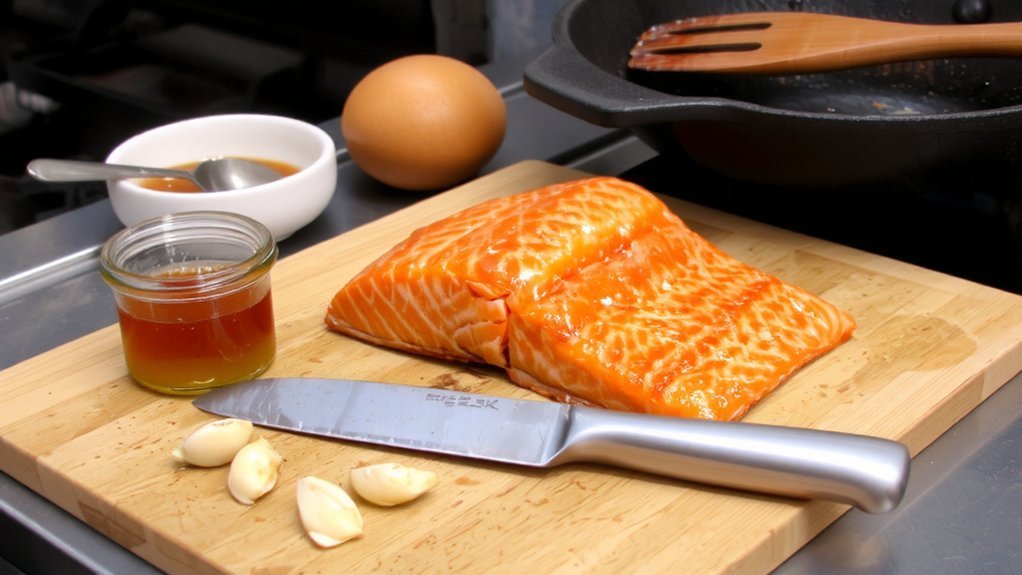
You’ll need a heavy-bottomed 10–12-inch skillet or 10-inch cast-iron pan for even heat and searing. For best results, start with fresh salmon.
Have on hand a fish spatula, silicone‑tip tongs, and a whisk plus measuring spoons (1 tsp–1 tbsp) for precise sauce ratios.
Use a meat thermometer to confirm 145°F (63°C) internal temperature and a basting spoon or silicone brush to apply the glaze.
Essential Cookware
One 10–12-inch stainless-steel or cast-iron skillet, heated to a surface temperature of roughly 375–425°F, is the primary tool for achieving a golden sear on salmon; use a 10–12″ non-stick pan as an alternative for easier release. You’ll prioritize cookware selection and controlled cooking techniques: choose oven-safe pans for broil finish, guarantee pan diameter accommodates fillets without crowding, and verify even heat distribution on gas or induction. Dry fillets thoroughly; preheat to produce audible sizzle. Always season fillets with salt and pepper before searing to boost flavor and texture, focusing on salt and pepper. Use measured quantities: 1 tbsp oil per pan, medium-high for sear, reduce to medium for glaze. Maintain ventilation; employ splatter screen and oven mitts. Clean immediately; inspect for warping.
| Item | Purpose | Spec |
|---|---|---|
| Stainless/Cast-Iron | Sear | 10–12″ |
| Oven-Safe | Finish | Yes |
| Non-stick | Release | 10–12″ |
Rotate burners as needed to maintain consistent pan temperature.
Must-Have Utensils
After confirming pan selection and preheat, gather a compact set of utensils that guarantee control and accuracy: a sharp chef’s knife (8–10″ blade), a flexible fish spatula (8–10″ head), tongs with silicone tips, and a paring knife (3–4″) for precision cuts.
For sauce and glaze, measure with measuring spoons and cups (teaspoon to tablespoon accuracy) and a one‑cup liquid measuring cup for honey and oil. Combine ingredients in a small mixing bowl and blend with a whisk or fork; use a spatula for basting.
Include paper towels, oven mitts, an instant‑read thermometer (target 145°F), rimmed baking sheet with foil, a basting brush, garlic press, microplane, cutting board, and herb scissors.
These must have utensils and essential tools produce consistent results every time, no fail. This is a quick 20-minute meal that’s perfect for busy weeknights.
Step-by-Step Prep
You’ll gather four 4–6 oz salmon fillets, 3 tbsp honey, 3 tbsp soy sauce, 2 cloves minced garlic, 1 tbsp lemon juice (or 1 tsp white vinegar), 1 tbsp olive oil, 1 tbsp unsalted butter, and optional 1/4 tsp crushed red pepper.
You’ll pat fillets dry with paper towels, season both sides with ½ tsp salt and ¼ tsp black pepper (± paprika), and heat 1 tbsp oil in a large skillet over medium-high until shimmering.
You’ll whisk honey, soy, 2 tbsp water, lemon juice and chili, sauté garlic 30–45 seconds over low–medium, pour the mixture in and reduce 1–2 minutes until slightly thickened. This quick dish is ready in about 15 minutes.
Gather Ingredients
Gather the following ingredients and tools before you start: 4 salmon fillets (6 oz/170 g each), 3 tbsp honey, 3 cloves garlic (15 g) minced, 2 tbsp soy sauce, 1 tbsp lemon juice or vinegar, 1 tbsp butter or neutral oil; optional flavor enhancers — 1 tsp sriracha, ½–1 tsp smoked paprika, 1 tsp grated fresh ginger, ½ tsp sesame oil.
Use fresh salmon; prefer unfrozen for texture and flavor. Focus on gathering spices and measuring ingredients precisely. Mise en place: measure, label, and arrange components. Tools: oven-safe skillet, baking tray, thermometer, tongs. Preheat the oven to 200C/400F (fan) to ensure even cooking.
| Item | Quantity |
|---|---|
| Honey | 3 tbsp |
| Garlic | 15 g |
| Soy sauce | 2 tbsp |
| Butter/oil | 1 tbsp |
Verify acidity (lemon/vinegar) and optional enhancers. You’ll be ready to proceed.
Prepare Salmon Fillets
With ingredients and tools ready, pat each 170 g salmon fillet dry with paper towels and let sit at room temperature for 30 minutes to promote even cooking.
You inspect for pin bones; remove with fish tweezers. Trim thin tail sections to achieve uniform 25 to 30 mm thickness for consistent heat penetration. Score skin lightly at 5 mm intervals if curling is a risk.
Apply 1 tsp olive oil per fillet; distribute.
For a particularly velvety texture, consider slow roasting as an alternative method.
- Check salmon selection: choose boneless, skin-on fillets of uniform thickness.
- Fillet seasoning: sprinkle 3/4 tsp kosher salt and 1/4 tsp freshly ground black pepper each side.
- Preheat pan or oven; avoid overcrowding, maintain a single layer.
Use instant-read thermometer; target 50–53°C for medium-rare. Rest 3 minutes before serving.
Make Honey Garlic Sauce
After mincing 3 cloves garlic, heat 1 tbsp neutral oil in a small saucepan over medium, add the garlic and cook 30–45 seconds until fragrant; then add 1/3 cup honey, 2 tbsp low-sodium soy sauce, 1 tbsp rice vinegar and 1 tbsp dark brown sugar, bring to a simmer and stir. This sauce is versatile and popular.
| Ingredient | Quantity | Purpose |
|---|---|---|
| Honey | 1/3 cup | Sweetness/glaze |
| Garlic | 3 cloves | Aroma/savory |
Whisk 1 tbsp cornstarch with 1 tbsp water, then stream into simmering sauce while stirring; cook 2–3 minutes until glossy and thick. Taste and adjust balance: increase acidity or sweetness by 1 tsp increments. Cool before glazing salmon. Note honey benefits for glaze adhesion and flavor depth; garlic properties for aroma and savory backbone. Store in airtight jar refrigerated up to 2 weeks.
Pan-Seared and Broiled Method
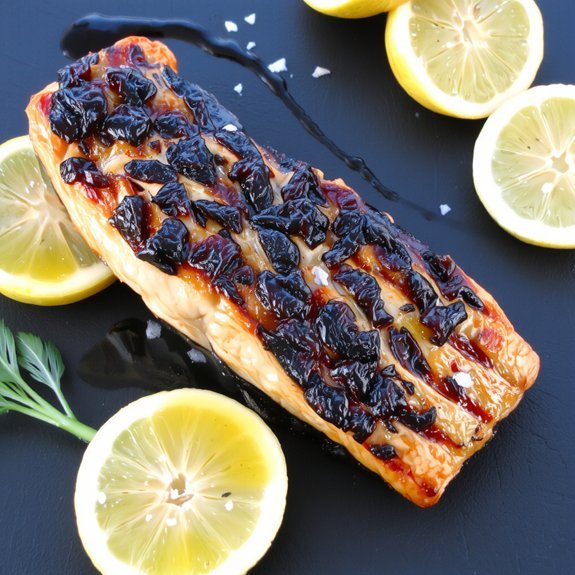
The pan-seared and broiled method combines a hot-pan sear to crisp skin with a brief broil to finish the flesh: pat 6–8 oz salmon fillets dry, make 2–3 shallow vertical slashes through the skin, season both sides and slashes liberally with salt, and space fillets ≥1″ apart in the pan. When done correctly, restaurant-quality results are achieved, with the fillet crisp on top and barely cooked in the center.
- Preheat stainless steel or cast iron until water beads.
- Heat 1 tsp avocado or grapeseed oil per fillet until shimmering.
- Use pan searing techniques: place skin-side down, press 10–15s; sear 4–6 min, flip, cook 2–5 min.
Transfer to broiler 2–3 min; follow broiling tips to avoid burning.
Target internal 125–145°F; rest 3 min.
Aim for 125–145°F internal temperature and let the salmon rest three minutes before serving
Maintain slightly reduced heat after initial sear to prevent over-browning while preserving moist interior and delicate texture consistently.
Sauce Variations and Add-Ins
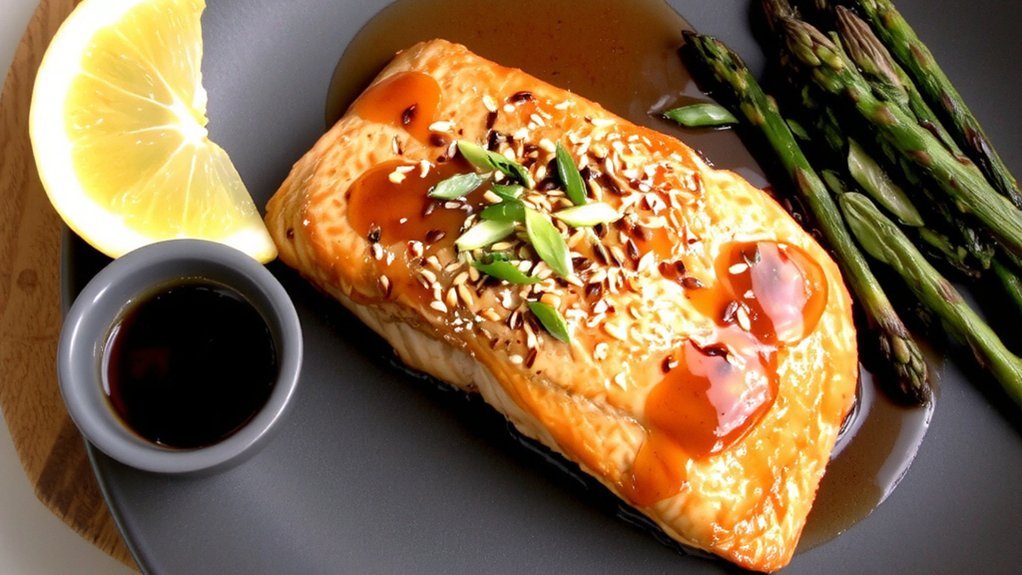
Although simple, a base honey‑garlic glaze for four 6–8 oz fillets uses 2 tbsp honey, 1 tbsp low‑sodium soy sauce, 1 tbsp minced garlic (≈3 cloves) and 1 tsp acid (lemon juice or rice vinegar); whisk and simmer 1–2 minutes to thicken. For best results aim to sear each fillet about 3 to 4 minutes on the first side.
| Variation | Added Component | Measurement |
|---|---|---|
| Ginger‑sesame | Fresh ginger, sesame oil | 1 tsp grated, 1/2 tsp oil |
| Spicy‑sriracha | Sriracha or red flakes | 1 tsp or 1/4 tsp flakes |
| Tangy‑mustard | Dijon mustard, vinegar | 1/2 tsp, 1/2 tsp ACV |
| Smoky‑cayenne | Cayenne or blackening | 1/8–1/4 tsp |
Adjust sauces via sauce substitutions and ingredient adjustments: swap honey with maple (1:1), soy with tamari (1:1), lemon with rice vinegar (1:1). Taste, correct acidity, salt, and heat; reduce 30–90 seconds for adhesion. You use precise timing for consistent glaze.
Serving Suggestions and Garnishes
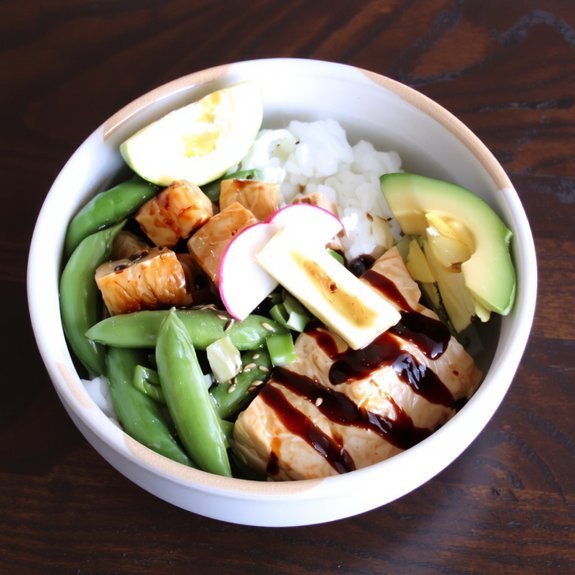
When plating, arrange four 6–8 oz fillets slightly overlapping on a long platter; brush each with 1/2 tbsp warmed honey‑garlic glaze, sprinkle 1 tsp toasted sesame seeds and 1 tbsp finely chopped parsley (total per platter), add 4 lemon wedges and 2 tbsp thinly sliced green onions, and serve a 2‑oz ramekin (≈4 tbsp) of extra sauce for dipping. This recipe is designed as a 30-minute meal to fit into busy weeknights.
- Serve with steamed jasmine rice (1 cup cooked) or quinoa (3/4 cup cooked per serving).
- Roast asparagus or broccoli at 425°F for 10–12 minutes; add garlic mashed potatoes or creamy polenta.
- Garnish techniques: microgreens, citrus zest, 1 tsp toasted sesame seeds; use sauce ramekin and drizzles.
Pairing ideas: Sauvignon Blanc, pale ale, jasmine tea.
Serve immediately; adjust portions to guest appetite. Precisely.
Storage and Reheating Tips
If you plan to refrigerate leftovers, cool fillets to room temperature no longer than 2 hours, then transfer to airtight containers or vacuum-seal bags and store at ≤40°F (4°C) for 2–3 days; for extended storage, freeze at 0°F (−18°C) in freezer‑safe, tightly sealed containers or vacuum‑sealed bags for up to 3 months. For convenience, note that the sauce can be mixed and stored in the refrigerator for up to 2 days. Label containers with date; avoid stacking pieces.
Thaw frozen salmon in refrigerator ~24 hours before reheating.
Follow storage guidelines: minimize air exposure, separate sauce, keep away from strong-smelling foods.
For reheating methods, preheat oven to 350°F (175°C) and warm 4–5 minutes until internal temp reaches 145°F (63°C).
Alternatively, reheat gently in a medium-low skillet covered, or use microwave in bursts covered to avoid uneven heating.
Don’t reheat repeatedly; discard if off-odors or slimy.
Nutritional Information
After cooling and storing leftovers properly, evaluate the nutritional profile per serving: energy 257–510 kcal (for 4–8 oz portions), protein 30–43 g, total fat 15–33 g, carbohydrates 10–33 g.
Use this Macronutrient breakdown to plan portions: prioritize 4–6 oz for controlled calories, 8 oz for higher energy needs.
Note micronutrient yields: vitamin D high, potassium ~714–800 mg, cholesterol 83–110 mg, sodium 634–710 mg.
Track fiber as low. For Nutritional benefits, account omega‑3s for cardiometabolic support and protein for synthesis.
- Adjust glaze: reduce sugar, measure 1 tbsp honey per serving.
- Prefer baking or grilling to limit added fat.
- Log totals with app or spreadsheet to track macros and daily sodium.
Compare labels, adjust salt, and target your daily macronutrient goals precisely today.
The dish is High protein, providing about 39.7 g of protein per cup in the baseline nutritional profile.
Leave a Comment